Technology
How it works.
A patient undergoes a simple routine CTA or MRA scan of the chest. The images are electronically transmitted to Third Coast Dynamics for analysis using AI-powered TCDflow technology. TCDflow is being developed to provide 3D visualization of aortic blood flow and generate key measurements of blood flow metrics linked to elevated risk of aortic complications. Our goal is to enable physicians to leverage this information to inform treatment decisions and optimize patient care.
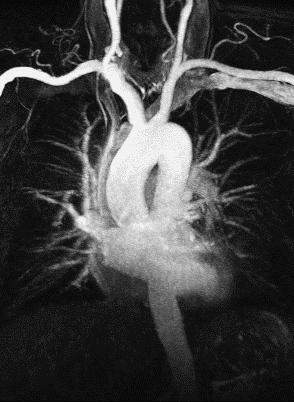 MRA image
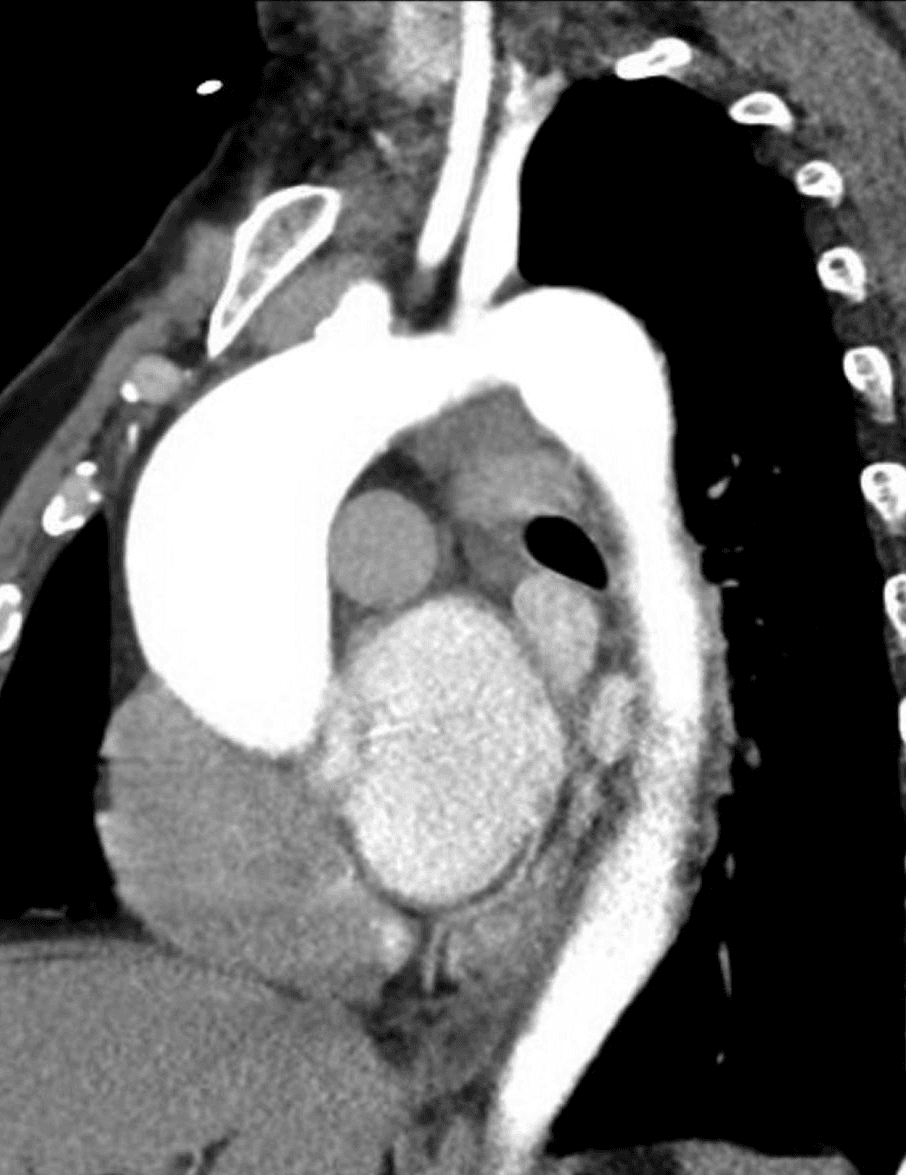 CTA image
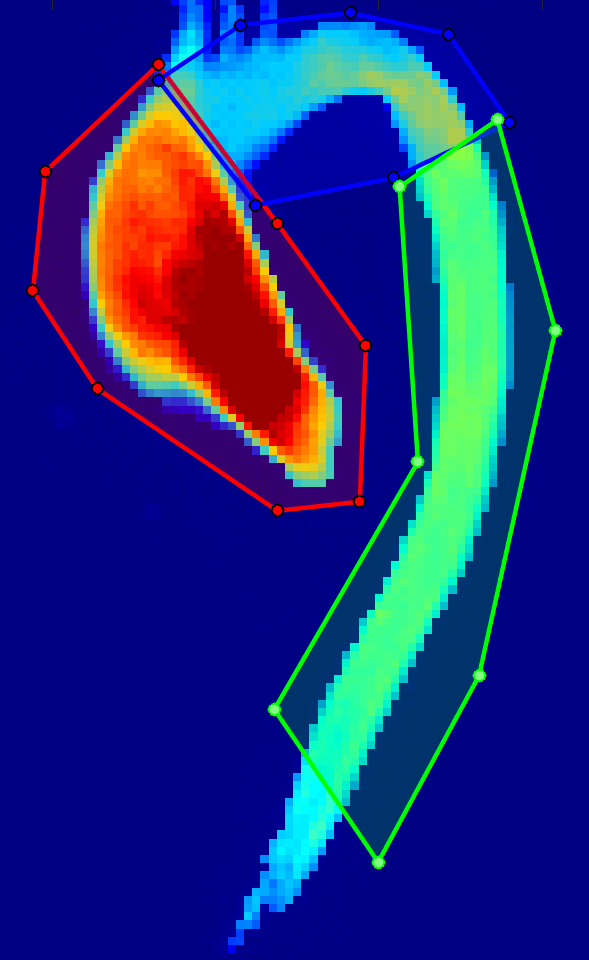
Conceptual pathway
From anatomic imaging to hemodynamic data.
The developing approach brings anatomic imaging, fluid physics, and deep learning together in one analytical pathway.
Input
Anatomic imaging
Anatomic CT or MR imaging provides the source information for the developing approach.
Analysis
Physics-informed deep learning
The developing model combines learned relationships with constraints informed by fluid physics.
Outputs
Hemodynamic data
The intended outputs include three-dimensional velocity information and selected flow-related measures.